Building a deck is one of those exciting projects that completely changes how you use your home. It’s where summer barbecues happen, where you unwind after a long week, and where you get to enjoy your backyard to the fullest. But before you can start picking out patio furniture or stocking up on grilling supplies, you’re faced with a foundational decision that will affect your weekends and your wallet for the next 20 to 30 years: choosing the right decking material.
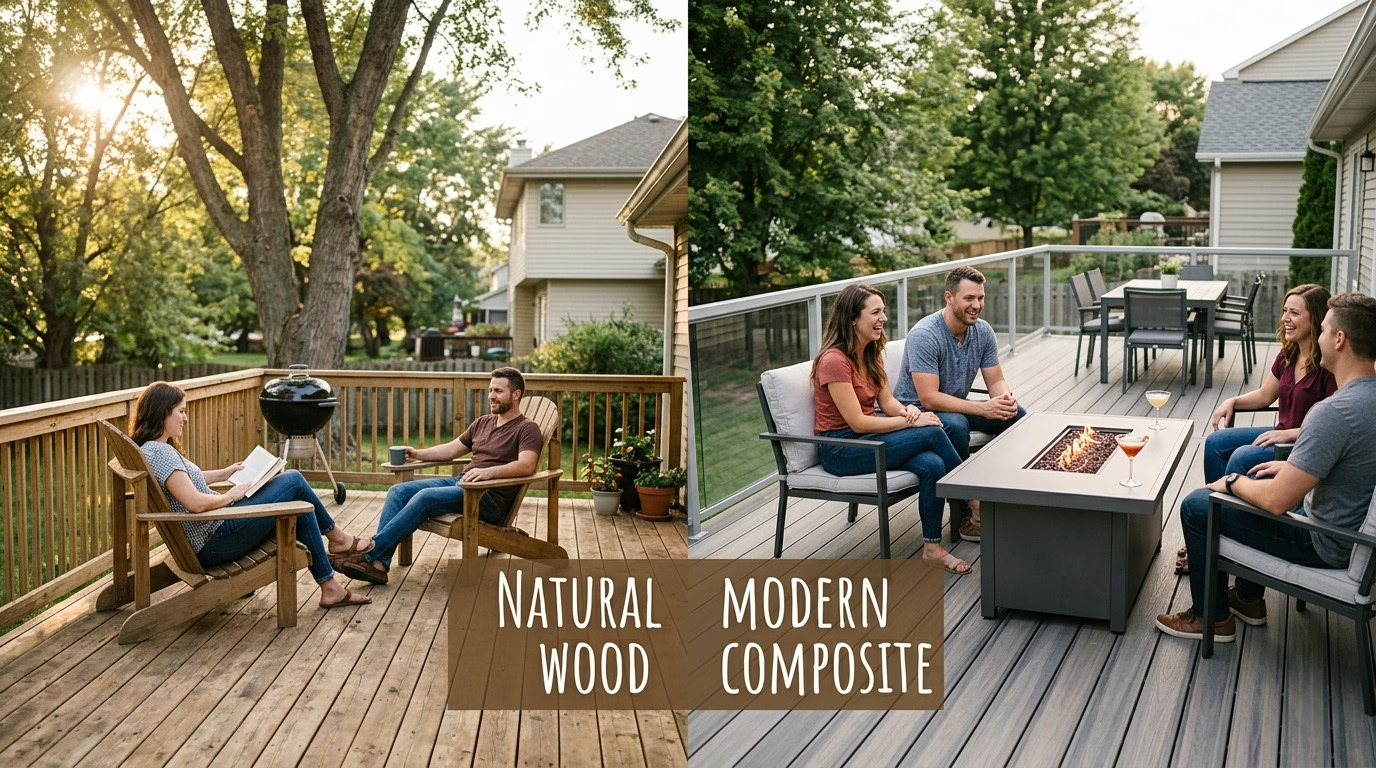
For decades, natural wood was the only real choice. Today, however, the decision usually comes down to a classic head-to-head matchup: composite vs pressure-treated decking.
Both options have a lot going for them, but they differ wildly when it comes to upfront costs, weekend maintenance, how long they last, and how they handle the elements. Let’s break down the pros, cons, and real-world costs of each so you can figure out exactly which material fits your budget and lifestyle
What Are You Actually Buying?
To make the right call, it helps to understand what these materials actually are and how they’re made.
What is Pressure-Treated Wood Decking?
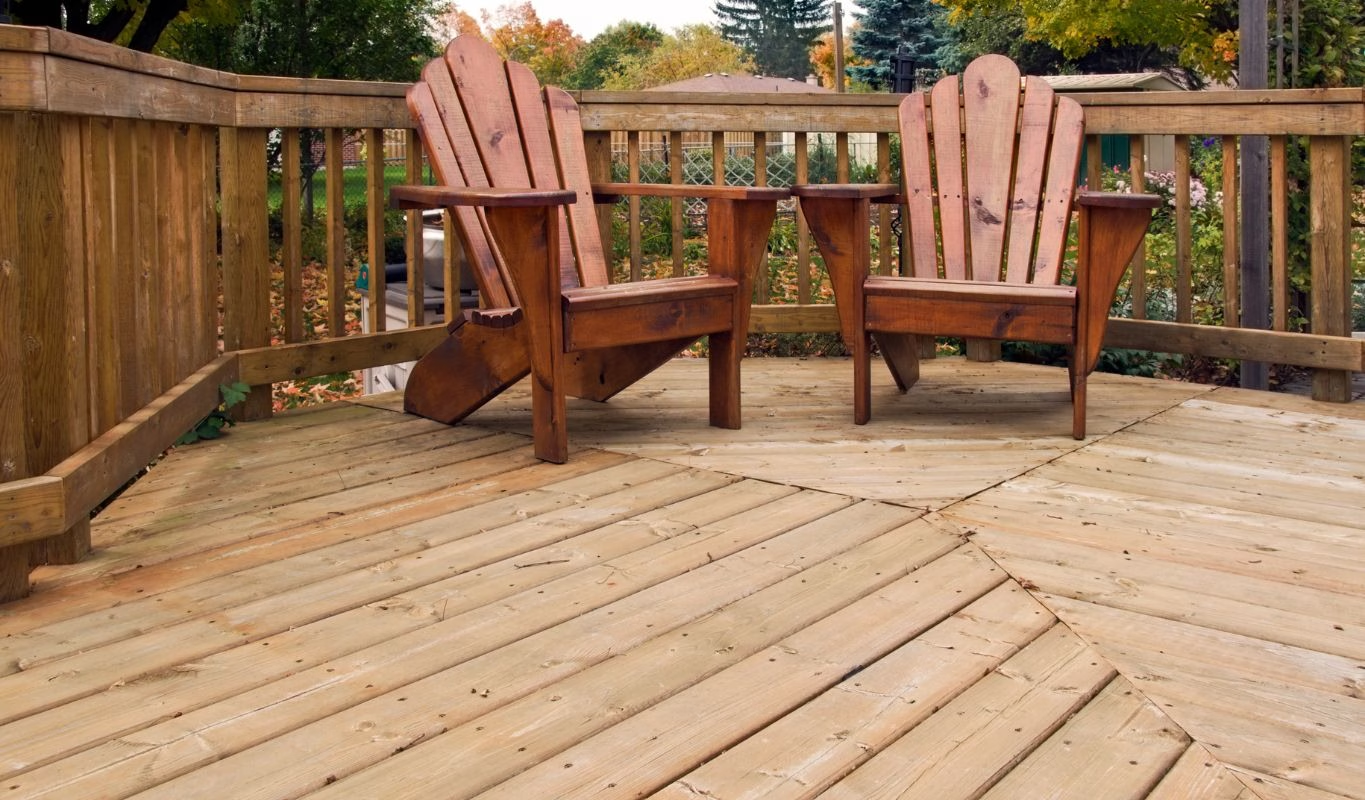
Pressure-treated (PT) lumber is real wood – usually Southern Yellow Pine or Douglas Fir—that has been deeply infused with chemical preservatives.
To do this, raw lumber is placed into a massive, sealed industrial tank. The air is sucked out to open up the wood fibers, and then a chemical solution is forced deep into the wood under immense hydraulic pressure. These chemicals act as a shield, making the wood highly resistant to rot, fungal decay, and wood-boring bugs like termites. It’s a classic, sturdy, and incredibly budget-friendly option because, at the end of the day, it’s real wood.
What is Composite Decking?
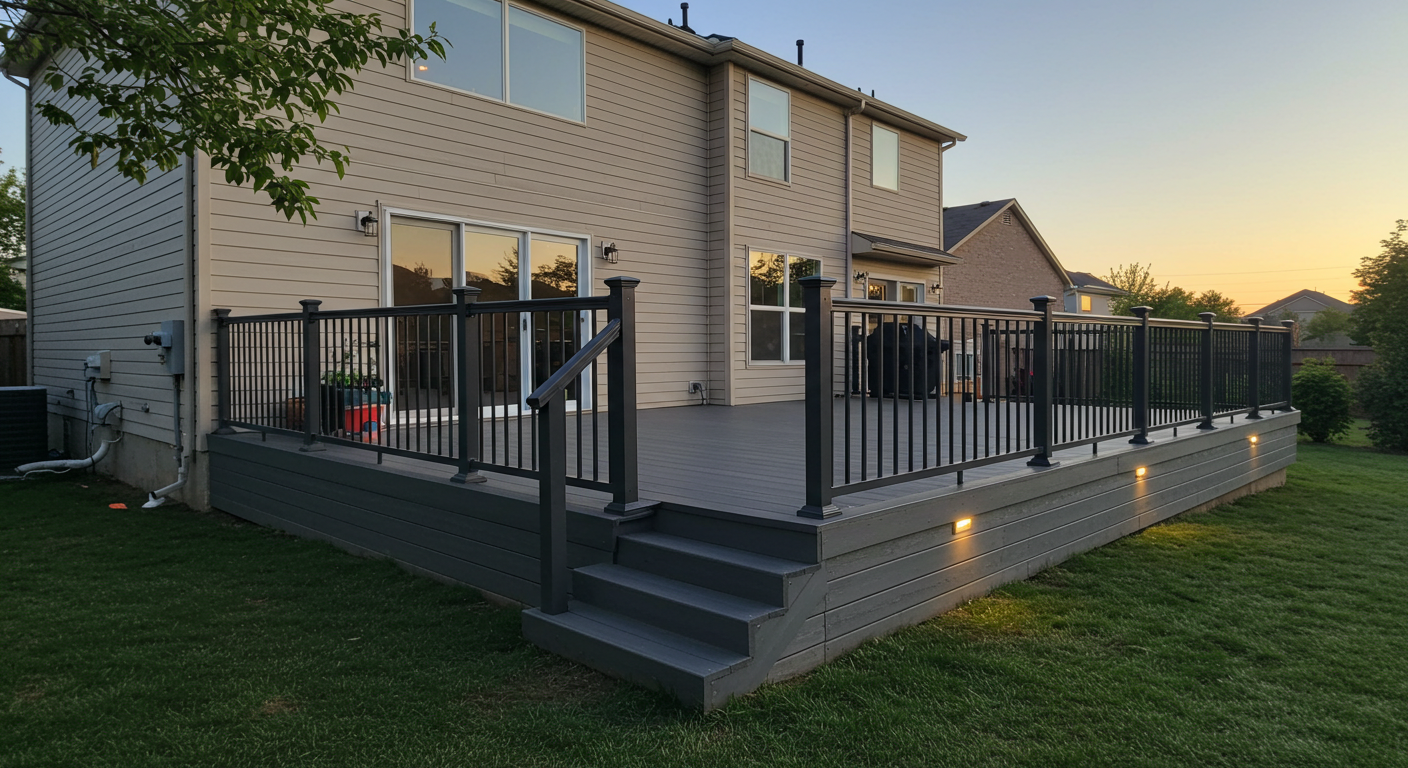
Composite decking is an engineered product designed to give you the look of wood without any of wood’s natural vulnerabilities.
Modern, high-quality composite boards are typically made from a 50/50 blend of recycled wood fibers (like sawdust and wood scraps) and recycled plastics (like plastic grocery bags and milk jugs). These ingredients are melted together with UV stabilizers and pigments, then extruded into dense, durable boards.
Most premium composites today feature a “capped” outer plastic shell. This hard outer layer wraps around the core of the board, protecting it from moisture, scratches, stains, and heavy sun exposure.
Lifespan and Durability: How Do They Hold Up?
An outdoor deck takes a beating. It’s constantly exposed to intense summer sun, torrential downpours, and freezing winter snow. How these materials age over time is one of the biggest differentiators between them.
The Pressure-Treated Lifespan
While the chemical treatment keeps bugs and rot at bay, it doesn’t change the physical nature of natural wood. Wood acts like a sponge; it absorbs moisture when it rains and shrinks when the sun bakes it dry.
This constant expanding and contracting puts a lot of mechanical stress on the wood. Within a few years, pressure-treated wood will inevitably start to crack, warp, twist, and split. Without rigorous, proactive maintenance, a pressure-treated deck usually has a lifespan of about 10 to 15 years before boards start warping badly or splintering enough to become a safety hazard.
The Composite Lifespan
Composite boards are completely immune to the moisture issues that plague real wood. Because the wood fibers are entirely encapsulated in heavy-duty plastic, water can’t get inside. This means composite boards won’t warp, rot, swell, or split—and you’ll never have to worry about getting a splinter.
The high-performance outer cap is also formulated to resist fading and chalking from the sun. Because of this stability, premium composite decks usually come with manufacturer warranties ranging from 25 to 50 years, easily outlasting wood by double or triple the lifespan.
Good to Know: While composite deck boards can last for three decades or more, the underlying frame (the joists and beams underneath) is almost always built out of pressure-treated lumber. To ensure the frame lasts as long as the composite top, builders often use specialized flashing tape over the tops of the joists to protect the underlying wood from trapped moisture.
Maintenance: Weekend Chores vs. Total Relaxation
Be honest with yourself about how much time and energy you want to spend maintaining your deck. The difference in upkeep between these two materials is night and day.
The High-Maintenance Reality of Wood
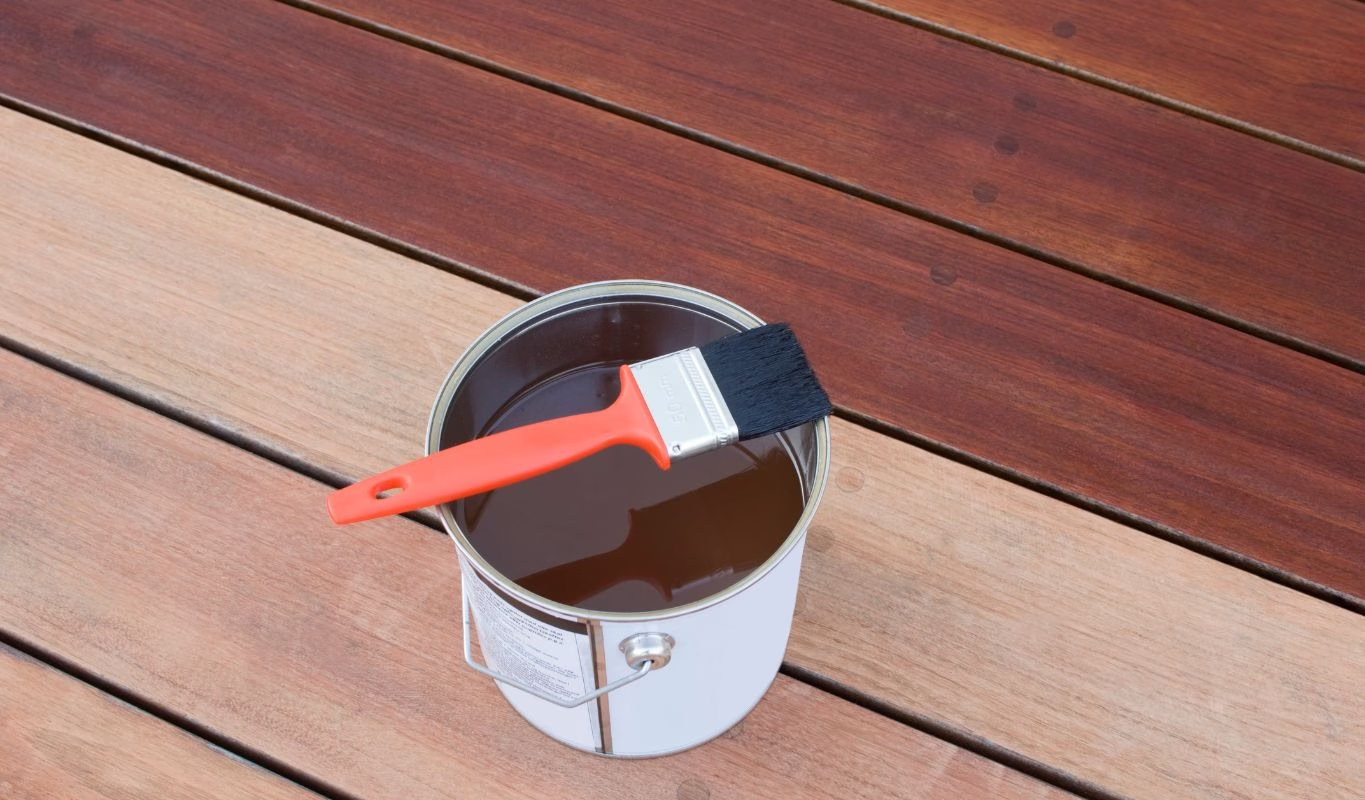
Owning a pressure-treated wood deck is a recurring commitment. To keep it looking good and prevent it from rotting early, you have to follow a pretty strict maintenance routine every 1 to 3 years:
- Deep Cleaning: Scrubbing or power washing the deck with a specialized wood cleaner to strip away dirt, mold, mildew, and that gray, weathered look.
- Sanding: Once it dries, you’ll need to sand down rough patches and raised wood grain to keep the surface safe for bare feet.
- Staining and Sealing: Applying a high-quality water-repellent sealer or UV-blocking stain to protect it from water and sun damage.
If you skip this process for even a year or two, the wood will age rapidly, leading to premature splitting and cracking.
The Low-Maintenance Luxury of Composite
Composite decking is famous for being incredibly low-maintenance. You completely eliminate sanding, staining, painting, and sealing from your schedule. The maintenance regimen looks like this:
- Occasional Washing: Once or twice a year, give it a quick wash with a garden hose, a bucket of warm, soapy water (regular dish soap works great), and a soft-bristle brush to clear away pollen, dirt, or fallen leaves.
If you spill red wine, sunscreen, or barbecue grease on a modern capped composite deck, it wipes right off. This frees up your spring and summer weekends for actually enjoying your deck rather than working on it.
Cost Analysis: Upfront Price vs. Long-Term Value
When looking at the numbers, it’s easy to get sticker shock. However, looking only at the initial price tag gives you a very incomplete picture of what a deck actually costs over its lifetime.
Upfront Material and Installation Costs
There is no sugarcoating it: pressure-treated lumber is significantly cheaper upfront. Standard pressure-treated deck boards run about $2.50 to $5.00 per linear foot, while high-quality composite boards generally cost between $5.50 to $12.00+ per linear foot depending on the style and color.
When you factor in professional labor, the framing, hardware, and railings, a composite deck installation typically costs 40% to 70% more upfront than an identical pressure-treated wood deck.
The Total Cost of Ownership (TCO)
The financial math flips completely when you look at a 20-year timeline. A pressure-treated deck requires a steady stream of cash for pressure washer rentals, wood stains, sealers, brushes, and replacement hardware. If you hire a professional to stain your deck every couple of years, those costs add up even faster.
Let’s look at how the long-term costs stack up for a standard 16′ x 20′ (320 sq. ft.) deck over time:
| Expense Category | Pressure-Treated Wood Deck | Premium Capped Composite Deck |
|---|---|---|
| Initial Materials & Labor (Avg) | $8,500 | $14,500 |
| Annual Maintenance Cost | $350 (Stain, Sealer, Cleaners, Tools) | $25 (Soap, Water, Soft Brush) |
| Total Cost at Year 5 | $10,250 | $14,625 |
| Total Cost at Year 10 | $12,000 | $14,750 |
| Total Cost at Year 15 (Break-Even) | $13,750 (Plus wood repairs) | $14,875 |
| Total Cost at Year 20 | $15,500 + Full Replacement Needed | $15,000 (Still looks brand new) |
By years 12 to 15, the money spent maintaining a wood deck catches up to the higher initial cost of composite. Past that break-even point, the wood deck becomes a continuous expense—especially considering it will likely need to be completely torn down and rebuilt around year 15, while the composite deck is still structurally pristine.
Aesthetics, Design, and Comfort
How your deck looks and feels underfoot plays a massive role in how much you’ll love using it every day.
Visual Appeal and Versatility
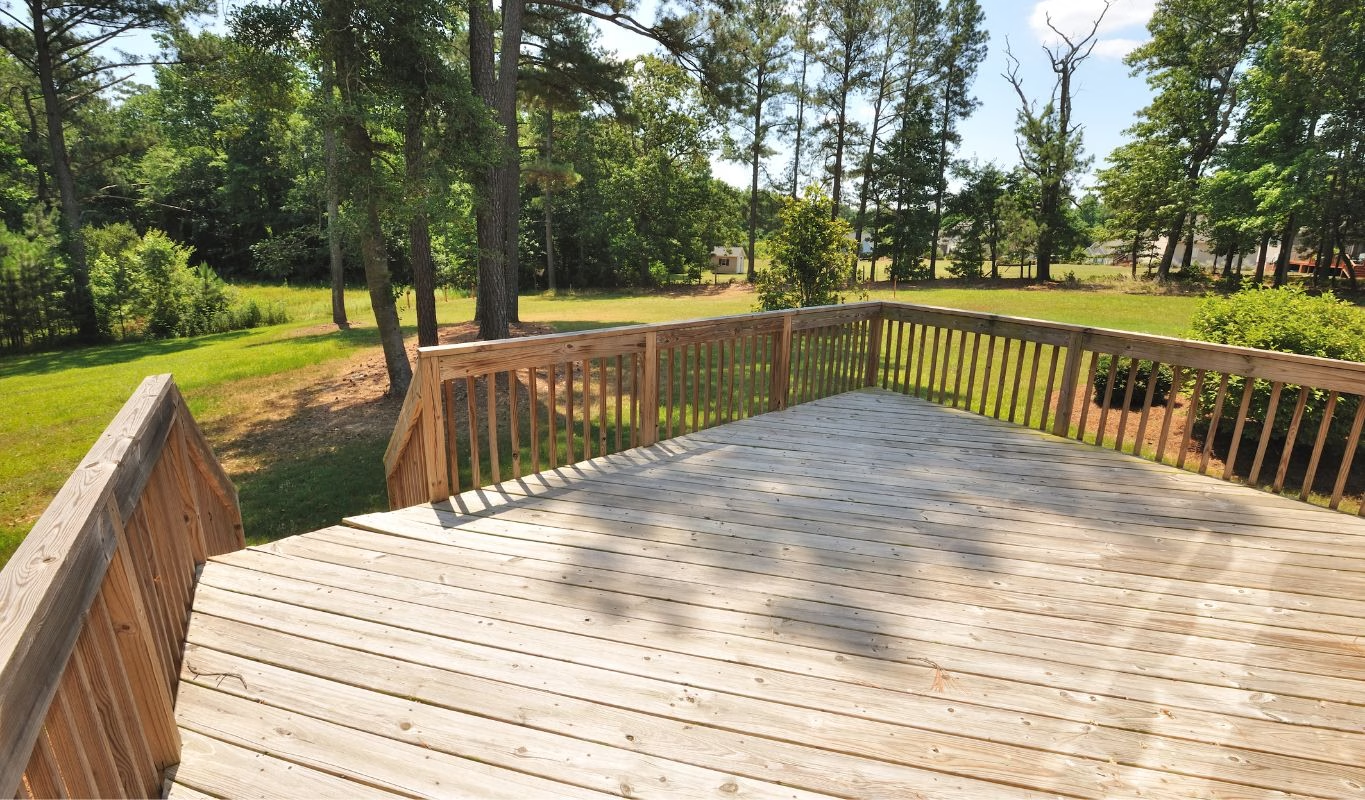
Pressure-treated wood gives you that classic, authentic look. The natural wood grains, knots, and textures are impossible to completely replicate. Wood also gives you ultimate color flexibility: you can stain or paint a wood deck almost any color you want, allowing you to completely change up its look whenever you feel like a design refresh.
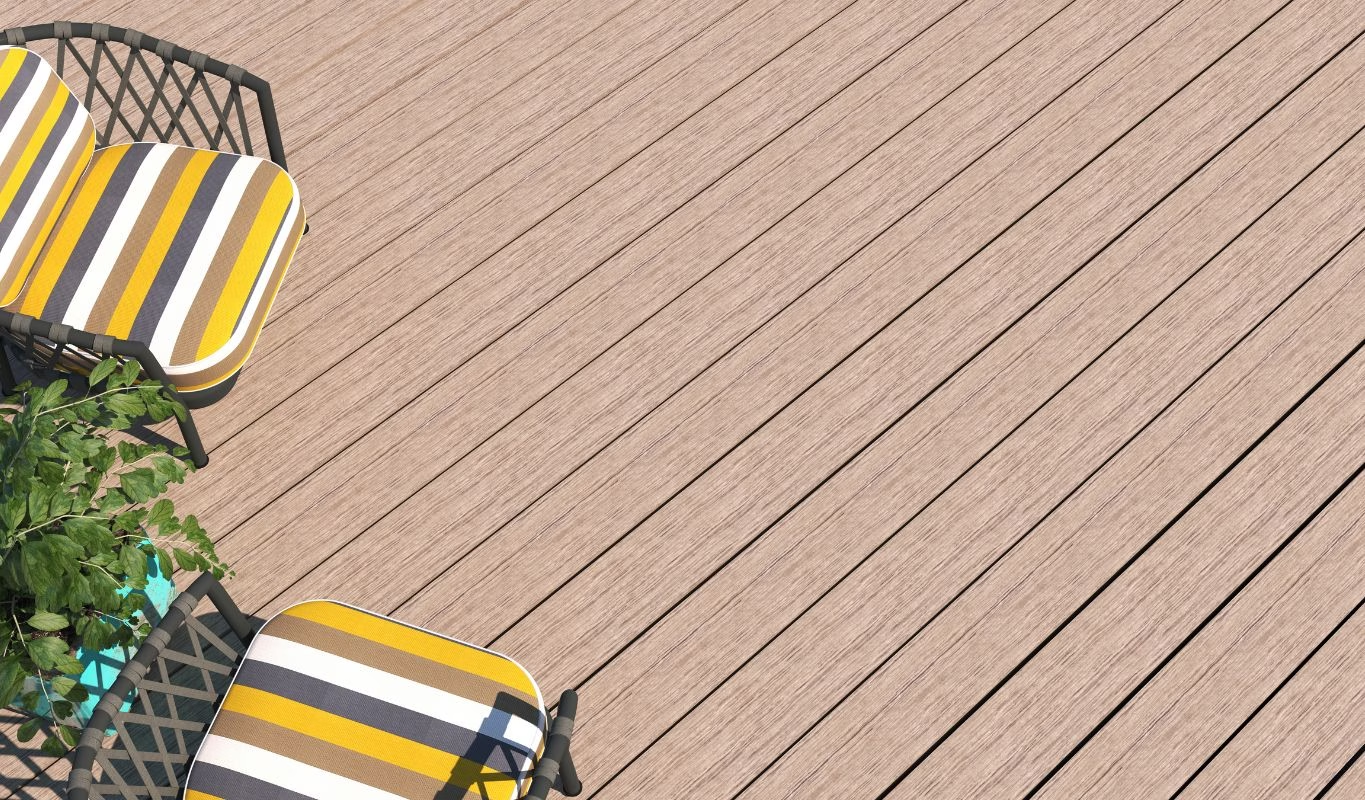
Early generations of composite decking looked flat and plasticky. However, modern manufacturing uses multi-tonal color blending and deep grain patterns that do an incredible job of mimicking premium exotic woods like Teak or Ipe. The catch? Once you pick a composite color, you are locked in. You can’t sand it down and repaint it a different color down the road.
Heat Retention
If you have young kids or pets, heat retention is something to consider. Composite decking is dense and contains plastic, meaning it absorbs and holds onto heat from direct sunlight much more aggressively than wood. On a blazing 90°F summer day, a dark-colored composite deck can get uncomfortably hot for bare feet or paws.
Natural wood stays noticeably cooler in direct sun. Fortunately, composite manufacturers have made great strides here, offering lighter color palettes and cool-deck technologies designed to dissipate heat faster, but wood still wins the comfort battle on scorching days.
Environmental and Sustainability Factors
If you’re trying to keep your project eco-friendly, both materials have interesting environmental profiles:
- The Case for Composite: It’s a massive win for recycling. Leading brands divert hundreds of millions of pounds of plastic bags, shrink wrap, and manufacturing sawdust from landfills every year. A single standard composite deck can easily incorporate over 100,000 recycled plastic bags. However, composite boards themselves are tough to recycle or biodegrade once they eventually reach the end of their lifespan.
- The Case for Wood: Pressure-treated wood comes from a completely renewable resource. Most lumber is harvested from sustainably managed domestic pine forests that naturally absorb carbon while growing. The environmental downside comes from the chemicals used in the treatment process and the strict rule that old pressure-treated wood can never be burned, as it releases toxic ash.
The Final Verdict: Which One Should You Choose?
At the end of the day, choosing between composite and pressure-treated decking comes down to balancing your immediate budget against your long-term lifestyle goals.
Go with Pressure-Treated Wood If:
- You have a tight, strict upfront budget for construction right now.
- You plan to move in the next 3 to 5 years, meaning you won’t be around long enough to reap the long-term maintenance savings of composite.
- You actually enjoy weekend DIY projects and don’t mind spending a Saturday every year or two power washing and staining.
- You love the authentic look, feel, and smell of real, natural wood.
Go with Composite Decking If:
- You view your home as a long-term investment and plan to stay put for the next 10, 20, or 30+ years.
- You want a “set-it-and-forget-it” solution and want to spend your weekends relaxing on your deck rather than working on it.
- You want a pristine, uniform look that won’t fade, warp, or crack over time.
- You want a splinter-free surface that is completely safe for bare feet, kids, and pets.
Both materials can create a beautiful, highly functional outdoor space. If saving money today is your top priority, pressure-treated lumber will get you outside for less cash out of pocket. But if you value your free time, want maximum durability, and hate ongoing maintenance costs, investing in composite decking is an upgrade that easily pays for itself over the long run.