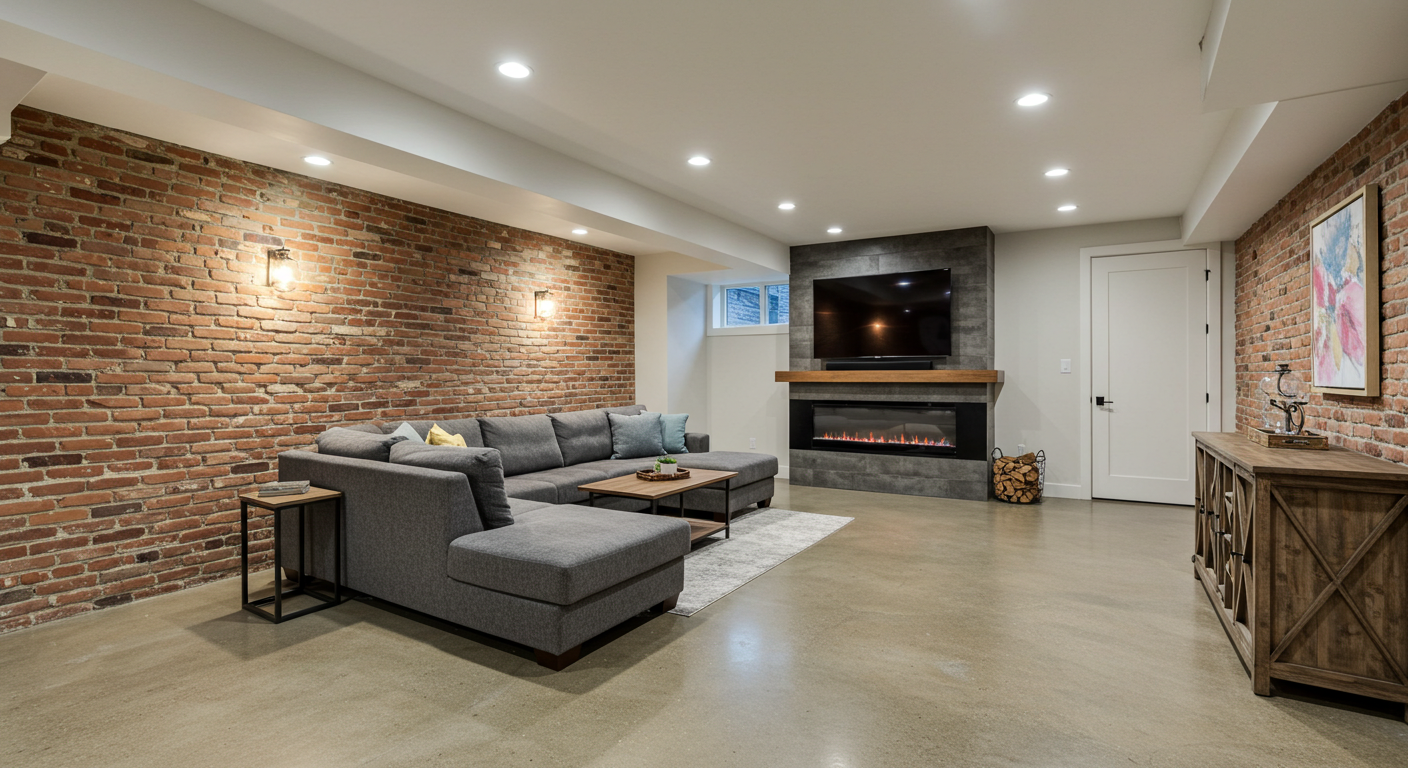
You want to turn your unused basement into a space you can actually live in. That’s a great idea, but the big question is always, “How much is this going to cost?” The truth is, there’s no single answer. The price tag on a finished basement can vary a lot, depending on what you’re doing with it.
This guide will walk you through the different costs involved in a basement finishing project so you can get a better handle on your budget and feel confident about moving forward.
The Average Cost of Finishing a Basement
Just to give you a ballpark figure, most homeowners can expect to pay anywhere from $7 to $23 per square foot to finish a basement. For an average 1,000-square-foot basement, that works out to a total cost of somewhere between $7,000 and $23,000. But remember, this is just a starting point. A simple, no-frills project will be on the low end, while a big-time renovation with all the bells and whistles could easily push the price much higher.
What Impacts the Final Price?
A few key factors will have a huge impact on your final bill. It’s smart to think about these things before you get too far into the planning process.
1. The Scope of Your Project
This is probably the most important thing to consider. A basic project—think simple walls, flooring, and lighting—is a lot cheaper than a full-on basement remodel that adds a bedroom, a new bathroom, a wet bar, or a home theater. The more complex your plans are and the more amenities you add, the more you’ll pay.
2. The Size of Your Basement
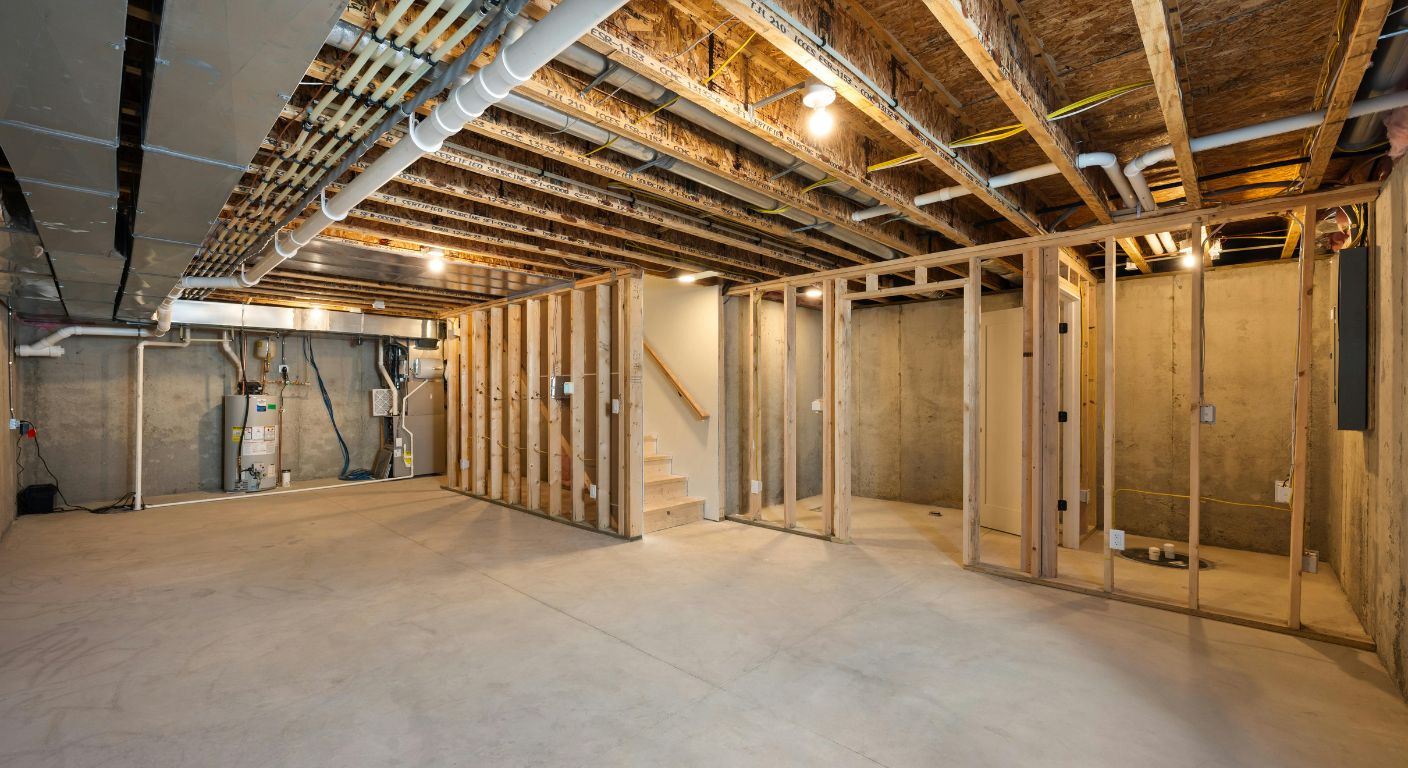
This one’s pretty obvious. A bigger basement means more materials and more labor, which means a higher total cost. While the cost per square foot might go down a little bit on a larger project, the overall price will still be higher.
3. The Condition of Your Basement
Before you can even start building, you need to make sure your basement is ready. If you have to deal with water damage, mold, or foundation issues, those repairs will add a lot to your total cost. Waterproofing, for instance, is a common and necessary first step for many basements, and it can run you anywhere from $2,000 to $7,000. Adding a sump pump, if you need one, is another extra expense, usually between $600 and $1,600.
4. The Quality of Your Materials
The materials you choose can make a huge difference in the final price.
- Flooring: Basic carpet or vinyl is pretty cheap, but if you want luxury vinyl plank (LVP), tile, or hardwood, you could be looking at a much higher cost.
- Lighting: Simple LED fixtures are affordable, but a fancy lighting plan with recessed lights and dimmers will definitely cost more.
- Cabinetry and Fixtures: If you’re putting in a wet bar or a bathroom, custom cabinets and high-end fixtures will add a lot to your budget.
5. Labor Costs and Your Location
Labor is a big part of the cost—sometimes up to half of the total project. The rates for contractors, plumbers, and electricians vary a lot depending on where you live. You’ll almost always pay more for a basement finish in a big city like New York or Los Angeles than you would in a smaller town.
A Component-by-Component Cost Breakdown
To help you get a clearer picture of your own project, here’s a look at what each part of the job might cost.
Pre-Finishing Work and Permits
- Permits: You’ll need a building permit to make sure your project is up to code. This usually costs between $1,200 and $2,000.
- Waterproofing: This is a crucial step to prevent future problems. Expect to pay between $1,900 and $6,500.
- Egress Windows: If you’re adding a bedroom, you’ll need an egress window for safety. These can cost $2,500 to $5,300 per window, including the digging and installation.
Core Construction Costs
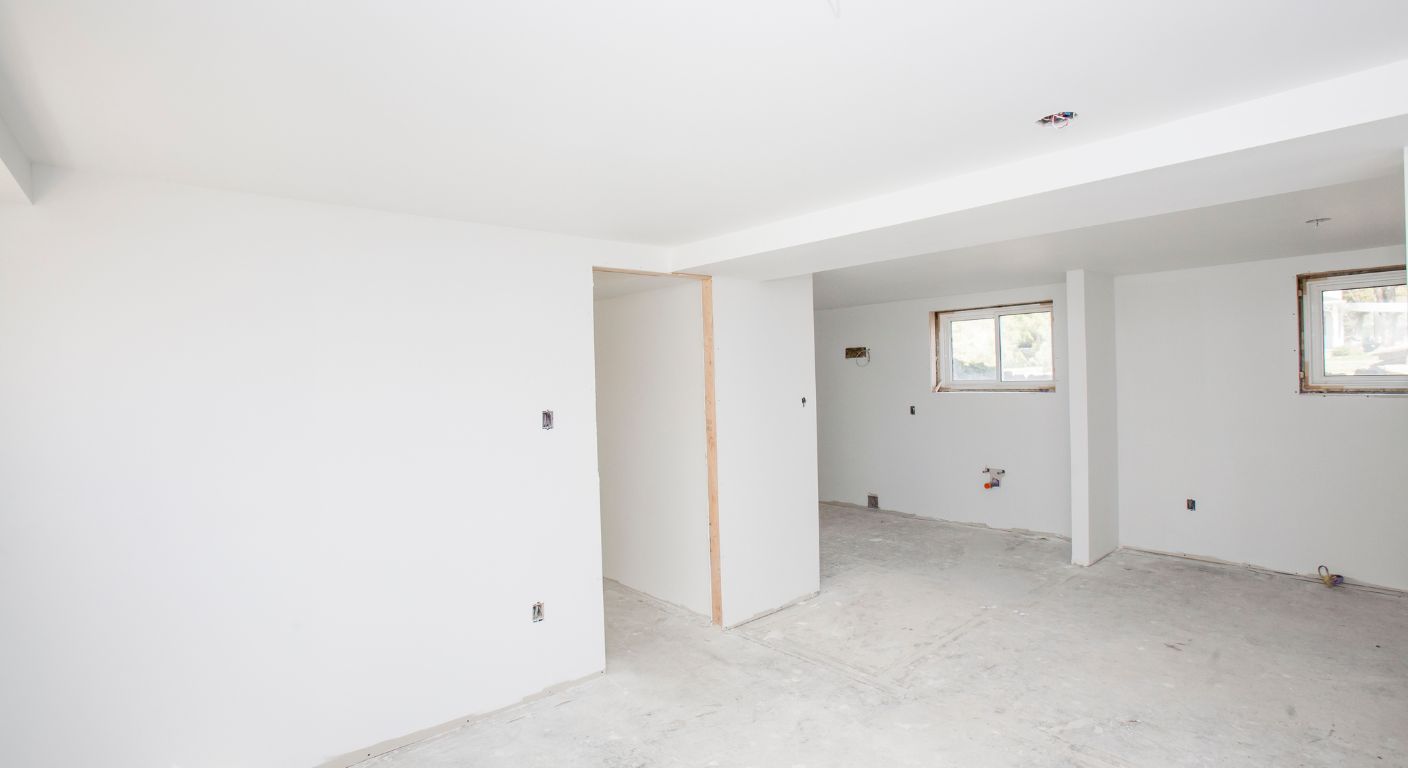
- Framing: Building the frame for your new walls and rooms will likely cost $7 to $16 per linear foot, or $700 to $1,800 on average.
- Insulation: This will keep the space warm and comfortable. It can cost $1,500 to $4,000, depending on the type you choose.
- Drywall: Covering the walls and ceiling typically costs around $1.50 to $3 per square foot.
- Ceiling: You could go with a standard drywall ceiling or a drop ceiling, which makes it easier to access pipes and wires. A finished ceiling usually runs from $1,600 to $3,600. You could also save money by just painting the exposed pipes for an industrial look.
- Flooring: The price here can really vary.
- Vinyl/Laminate: $3 to $8 per square foot
- Carpet: $3 to $11 per square foot
- Tile/Hardwood: $10 to $30+ per square foot
Plumbing, Electrical, and HVAC
These are the most complex parts of the job and are usually best left to a pro.
- Electrical Work: Installing new wiring, outlets, and lights can cost from $1,300 to $12,000 depending on how many rooms you’re adding.
- Plumbing: This is essential if you’re adding a new bathroom or wet bar. It can cost anywhere from $2,500 to $15,000 or more.
- HVAC: Extending your heating and cooling system to the basement is key for comfort. This can be a big expense, from $2,000 to $11,000.
Adding Amenities
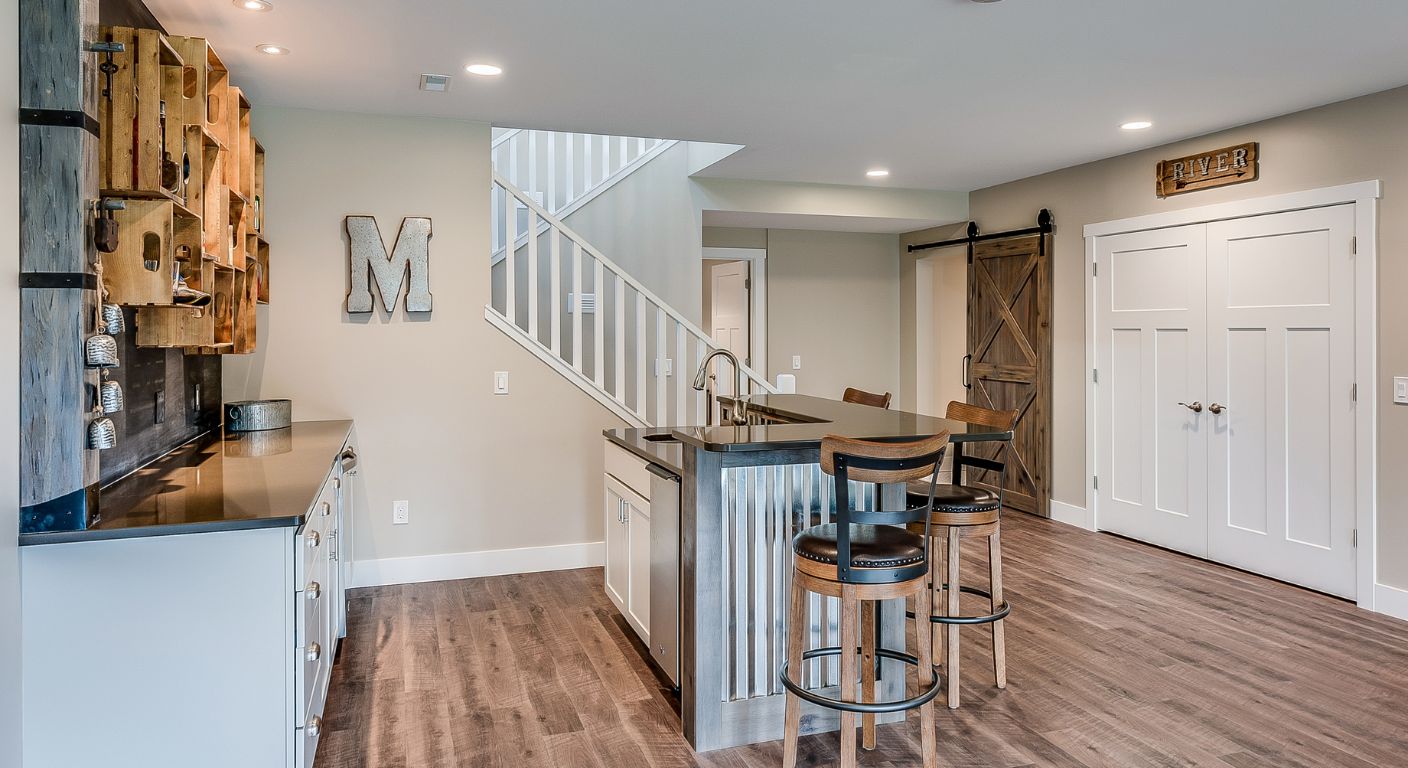
These features will add a lot of value and enjoyment but will also increase your total cost.
- Bathroom: A simple half-bath might cost $3,000 to $8,000, while a full bathroom with a shower could be $4,000 to $15,000 or more.
- Wet Bar or Kitchenette: This requires plumbing, electrical, and cabinetry. A basic wet bar can start around $8,000, with a full kitchenette costing much more.
- Home Theater: If you’re looking for specialty wiring and built-in speakers, this can easily add $5,000 to $10,000+ to your budget.
How to Save Money on Your Basement Project
A finished basement is a great investment, but that doesn’t mean you have to break the bank. Here are a few ways to keep costs down without cutting corners on quality.
- Make a “Must-Have” List: Figure out what you absolutely need and what would just be nice to have. Focus your budget on the essentials first; you can always add the “wants” later.
- Do It in Phases: You don’t have to do the entire basement all at once. Finish the main living area now and save the bathroom or bedroom for a future project.
- Keep the Layout Simple: An open-concept space is usually cheaper because you’re building fewer walls, which means less framing, drywall, and electrical work.
- DIY What You Can: While you should always hire a pro for plumbing and electrical work, you can save a lot of money by doing the finishing work yourself. Things like painting, installing baseboards, or laying certain types of flooring are totally doable for most people.
- Go for Budget-Friendly Materials: You can find great-looking, durable materials that won’t cost a fortune. For example, laminate or vinyl plank flooring can look just like hardwood or tile for a fraction of the price.
- Get Multiple Quotes: Always get at least three detailed quotes from different contractors. This will help you compare prices and make sure you’re getting a fair deal.
Making Your Dream Basement a Reality
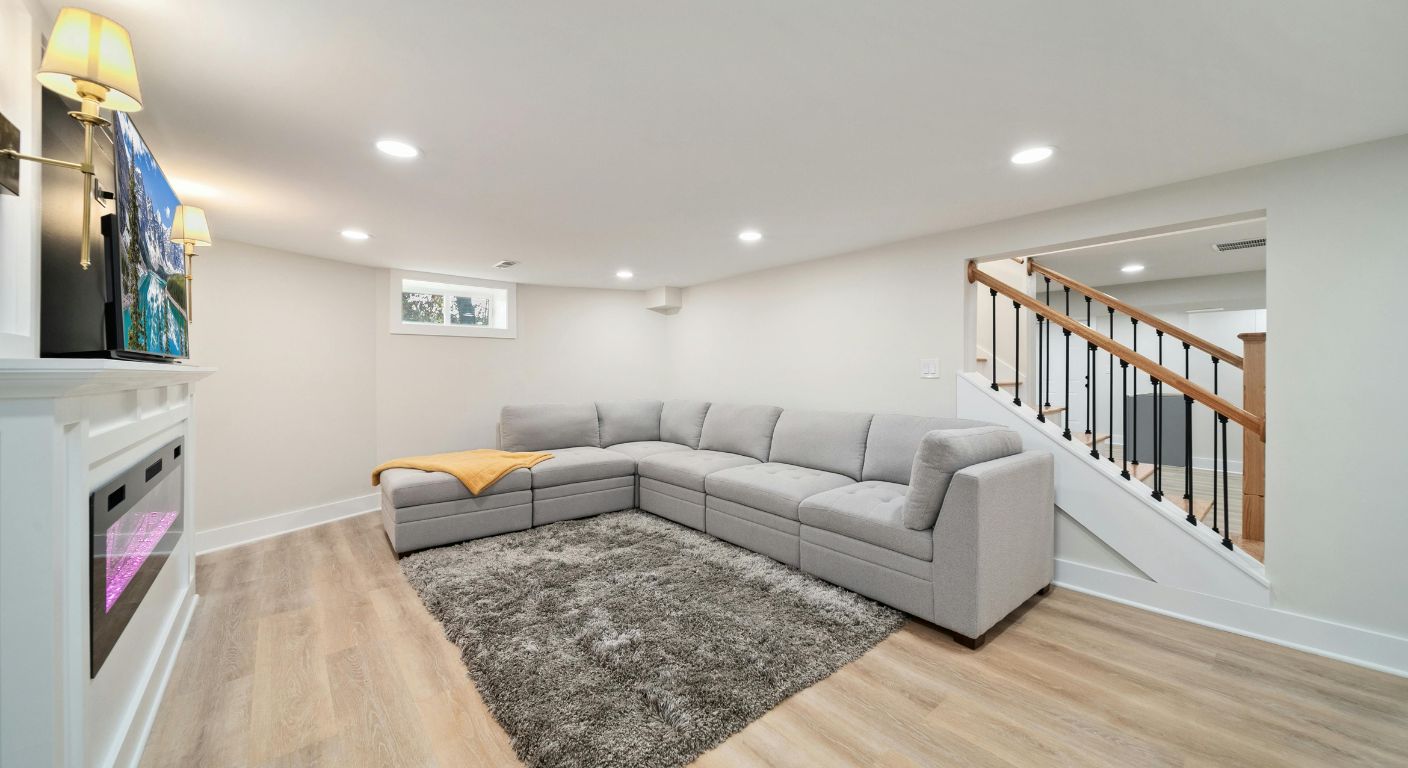
Finishing your basement is a big project, but it’s one of the best ways to add major value and usable living space to your home. While the costs might seem intimidating at first, the key is to understand what goes into the total price. By carefully planning your scope, making smart budget choices, and using a few cost-saving tricks, you can successfully turn that unfinished space into a beautiful and functional part of your home that you’ll enjoy for years to come.